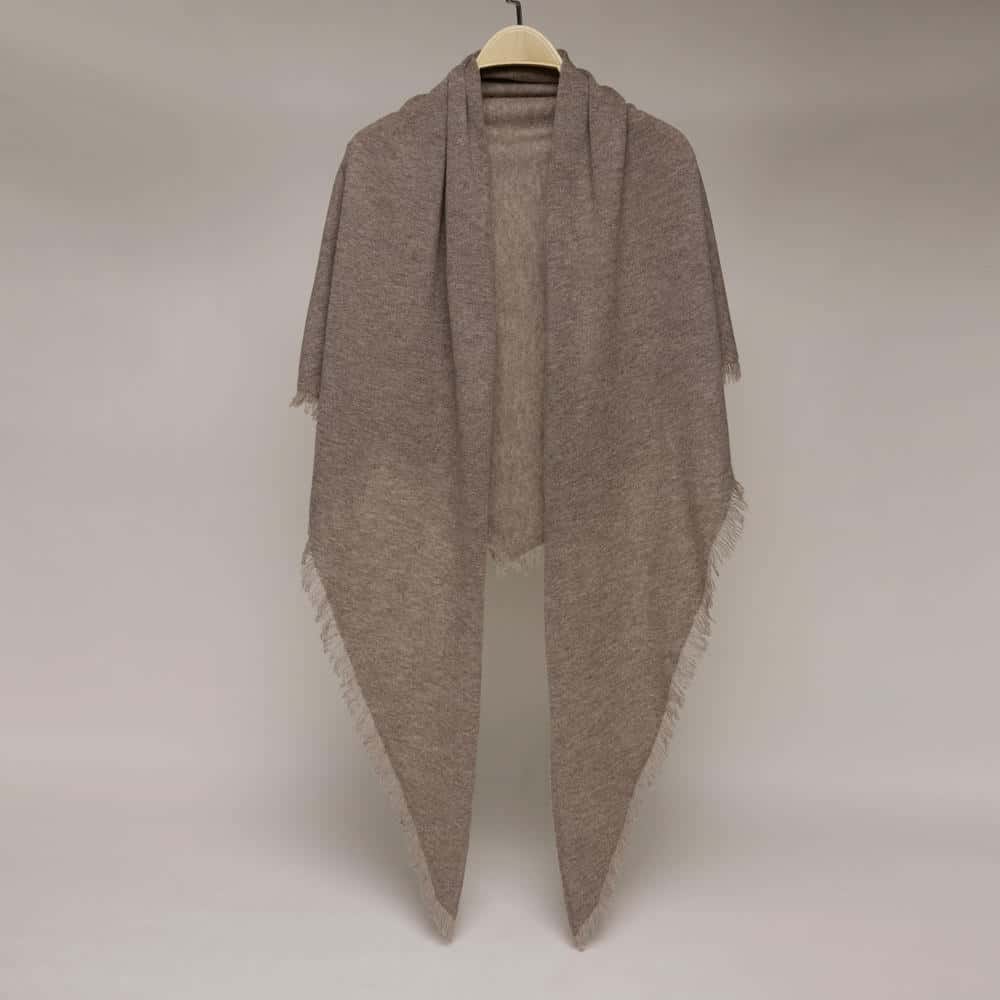
Understanding the Essence of Cashmere: More Than Just a Fiber
In the realm of luxury textiles, cashmere stands as a symbol of elegance, warmth, and timeless sophistication. Derived from the soft undercoat of cashmere goats, this exquisite material is renowned for its unparalleled softness, lightweight insulation, and exceptional durability. While often associated with high-end fashion, the true value of cashmere lies in the intricate journey from remote mountains to exquisite garments, a process that combines nature’s perfection with human craftsmanship. This guide explores the multifaceted world of cashmere, from its origins and production to its care and ethical considerations, providing a comprehensive look at what makes this fiber so special.
The Origins and Production Journey: From Goat to Garment
The story of cashmere begins in the harsh climates of regions like Mongolia, China, Iran, and Afghanistan, where cashmere goats have adapted to survive extreme temperatures. These animals develop a dual-layer coat: a coarse outer guard hair and a soft, insulating undercoat. The precious cashmere fiber comes exclusively from this fine undercoat, which is collected through a meticulous process.
The Harvesting Process:
- Combing: Traditionally, the undercoat is gently combed out during the goats’ natural spring molting season
- Sorting and Cleaning: Raw fibers are carefully sorted to remove coarse guard hairs, then cleaned to eliminate natural oils and impurities
- De-hairing: A mechanical process separates the fine cashmere fibers from any remaining coarse hairs
- Spinning and Dyeing: The prepared fibers are spun into yarn and dyed using methods that preserve their natural softness
- Weaving/Knitting: Finally, the yarn is transformed into luxurious fabrics and garments
Understanding this journey helps appreciate why genuine cashmere commands a premium price and distinguishes it from inferior imitations. Discover more about natural fiber production in our guide to luxury textile origins.
Quality Distinctions: What Determines Premium Cashmere
Not all cashmere is created equal. Several factors determine the quality and value of the finished product:
1. Fiber Diameter and Length:
- Premium cashmere features fibers typically 14-19 microns in diameter (finer than human hair)
- Longer fiber length (staple length) indicates higher quality, resulting in less pilling and greater durability
2. Origin and Processing:
- Mongolian and Inner Mongolian cashmere is often considered the finest due to climatic conditions
- Italian spinning and manufacturing is renowned for exceptional quality control
- Chinese production has significantly improved in quality and consistency in recent years
3. Ply and Construction:
- 2-ply cashmere (two strands twisted together) offers better durability than single-ply
- Tighter knits and weaves generally indicate higher quality construction
- The weight and density of the fabric affect warmth and longevity
The Unmatched Qualities: Why Cashmere Commands Loyalty
Beyond its luxurious feel, cashmere offers practical benefits that justify its status:
Superior Insulation:
Cashmere fibers are hollow, creating natural air pockets that provide exceptional warmth without weight. This unique structure makes cashmere garments up to eight times warmer than sheep’s wool of equivalent thickness, yet remarkably breathable and comfortable across varying temperatures.
Exceptional Durability:
When properly cared for, high-quality cashmere can last for decades. Unlike many synthetic materials that degrade with washing, cashmere maintains its integrity and often develops a more beautiful patina over time. The fiber’s natural elasticity allows it to retain its shape better than most alternatives.
Hypoallergenic Properties:
Unlike sheep’s wool, which can cause irritation for some wearers, cashmere fibers are smoother and less likely to provoke allergic reactions or skin sensitivity. The absence of lanolin (a common allergen in wool) makes it suitable for sensitive skin.
Ethical Considerations and Sustainability in the Cashmere Industry
Modern consumers increasingly seek transparency in luxury purchases, and cashmere is no exception. Several important considerations are reshaping the industry:
Animal Welfare Concerns:
Ethical certifications now verify humane treatment standards, including proper shelter, nutrition, and ethical harvesting methods. Responsible brands ensure that combing (rather than shearing) methods are used, prioritizing animal comfort.
Environmental Impact:
Overgrazing by cashmere goats has contributed to desertification in some regions. Sustainable initiatives now focus on:
- Rotational grazing practices
- Herd size management
- Supporting biodiversity preservation
- Water conservation in processing
Social Responsibility:
Fair trade practices ensure that herders receive equitable compensation, while initiatives preserve traditional harvesting and processing knowledge that supports rural communities. Learn about sustainable fashion choices in our article on ethical luxury purchasing.
Care and Maintenance: Preserving Your Investment
Proper care is essential for maintaining cashmere’s beauty and longevity:
Washing Guidelines:
- Hand wash in cool water with specialized wool or cashmere detergent
- Avoid wringing or twisting; gently press out excess water
- For machine washing, use a delicate cycle in a mesh laundry bag
- Never use bleach or fabric softeners
Drying and Storage:
- Lay garments flat on a clean towel, reshaping to original dimensions
- Air dry away from direct heat and sunlight
- Fold rather than hang to prevent stretching
- Store in breathable cotton bags with natural moth repellents
Pilling Management:
Minor pilling is natural, especially early in a garment’s life. Use a cashmere comb or fabric shaver gently to remove pills, working in one direction to avoid damaging fibers.
Navigating the Market: A Smart Buyer’s Guide
When investing in cashmere, consider these factors:
Understanding Labels:
- “100% Cashmere” should contain only cashmere fibers
- “Cashmere Blend” indicates mixed fibers (often with wool or silk)
- Geographic indicators (e.g., “Made in Italy”) suggest manufacturing location but not necessarily fiber origin
Price Considerations:
While excellent quality exists across price ranges, extremely low prices often indicate:
- Shorter fiber lengths
- Blended materials
- Less ethical production methods
- Poor construction that compromises durability
Investment Pieces:
Classic colors (navy, grey, cream, black) and timeless styles (crew neck sweaters, cardigans, wraps) offer the best long-term value. Neutral pieces provide maximum versatility in wardrobe coordination.
The Future of Cashmere: Innovation and Tradition
The cashmere industry continues evolving with exciting developments:
Technological Advances:
- Traceability systems using blockchain technology
- Improved sustainable processing methods
- Innovative blends that enhance durability while maintaining softness
Circular Economy Initiatives:
- Recycling and upcycling programs
- Take-back schemes for end-of-life garments
- Development of biodegradable cashmere alternatives
Cultural Preservation:
Supporting traditional herding communities and artisanal craftsmanship ensures that the knowledge and skills behind true cashmere production endure for future generations.
Conclusion: The Enduring Legacy of a Natural Wonder
Cashmere represents more than mere luxury; it embodies a harmonious relationship between nature, tradition, and craftsmanship. From the windswept plateaus where cashmere goats graze to the skilled hands that transform their undercoat into exquisite textiles, this remarkable fiber connects wearers to a centuries-old heritage of quality and care. By choosing quality over quantity, supporting ethical production, and practicing proper garment care, consumers can enjoy the exceptional comfort and enduring style of cashmere while contributing to a more sustainable future for this precious natural resource.
Internal Links:
External Links: