The Origins and Heritage of Cashmere Wool
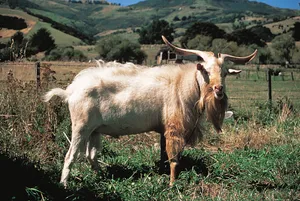
Cashmere wool stands as one of the world’s most coveted luxury fibers, celebrated for its exceptional softness, lightweight warmth, and timeless elegance. Sourced from the undercoat of specific goat breeds primarily found in the high-altitude regions of Mongolia, Inner Mongolia, and parts of Iran and Afghanistan, this exquisite material has a rich history spanning centuries. Unlike ordinary sheep’s wool, cashmere is renowned for its fine fibers, which are significantly thinner and softer, providing unparalleled insulation without bulk. Its journey from ancient nomadic cultures to modern high fashion showcases its enduring appeal and unmatched quality.
The Journey from Fleece to Fabric: Processing Cashmere
Transforming raw cashmere into the luxurious material we know is a meticulous and labor-intensive process. It begins with the seasonal combing of the goats during their natural shedding period in spring, a method that is more humane and yields finer fiber than shearing. The raw fiber, known as “dehaired” cashmere, is then separated from the coarse outer guard hairs—a critical step that defines its quality. This is followed by cleaning, spinning into yarn, and weaving or knitting into fabric. The entire process, from herding to finishing, requires precision and skill, contributing to the fiber’s premium status and value. Understanding this journey helps explain why genuine articles are a significant investment.
Distinguishing Quality: How to Identify Premium Cashmere
Not all cashmere is created equal. Its quality is determined by several key factors, with fiber diameter (measured in microns) and length being the most crucial. Premium fibers are typically between 14 to 19 microns in diameter (finer than human hair) and have a long staple length. Longer fibers result in less pilling and a more durable fabric. The origin of the fiber also plays a significant role, with Mongolian and Inner Mongolian varieties often considered among the finest due to the harsh climate, which stimulates the goats to produce denser, softer undercoats. When shopping, look for descriptors like “2-ply” or “twisted” yarn, which indicates a thicker, more resilient knit.
The Unmatched Benefits: Why Choose This Luxurious Fiber?
The appeal of cashmere extends far beyond its sumptuous feel. Its remarkable natural properties offer distinct advantages. First, it provides exceptional insulation; the hollow fibers trap air, creating a thermal barrier that is up to eight times warmer than sheep’s wool by weight, yet it remains breathable. Second, it is incredibly lightweight and non-bulky, allowing for elegant layering. Third, despite its delicate hand-feel, high-grade material is surprisingly durable and, with proper care, can last for decades, developing a beautiful patina over time. It is also hypoallergenic and less scratchy than other wools, making it comfortable for sensitive skin.
Ethical Considerations and Sustainability in the Industry
The production of this luxury fiber faces important questions regarding animal welfare, environmental impact, and social responsibility. Ethical concerns have prompted a push for greater transparency. Look for certifications or brands that support sustainable grazing practices, ensure humane treatment of animals, and provide fair wages and working conditions for herders and artisans. The environmental footprint, particularly water usage in processing, is also a key focus for modern sustainable brands. As a consumer, choosing quality pieces from responsible sources that prioritize longevity over fast fashion is a more sustainable choice.
Care and Maintenance: Preserving Your Investment
Proper care is essential to maintain the beauty and longevity of cashmere garments. Always follow the care label, but general best practices include:
- Washing: Hand wash in cool water using a gentle, wool-specific detergent. Avoid twisting or wringing. Machine washing on a dedicated wool cycle is possible for some items, but use a protective mesh bag.
- Drying: Lay the garment flat on a clean towel, reshape it to its original dimensions, and allow it to air dry away from direct heat or sunlight.
- Storage: Fold items instead of hanging to prevent stretching. Store in breathable cotton bags with natural moth repellents like cedar balls, never in plastic.
Navigating the Market: A Buyer’s Guide
With varying quality and price points, being an informed buyer is key. Be wary of suspiciously low prices, which often indicate blends, shorter fibers, or inferior processing. Read labels to understand the composition—”100% cashmere” is the gold standard. Consider the “ply” (the number of yarns twisted together): a higher ply (like 2-ply or 4-ply) generally means a thicker, warmer, and more durable garment. Investing in classic, versatile colors and styles from reputable brands ensures your pieces remain timeless staples in your wardrobe.
Conclusion: The Enduring Allure of a Natural Luxury
Cashmere wool represents the harmonious blend of natural wonder and human craftsmanship. Its unique properties—offering supreme softness, lightweight warmth, and durable elegance—have secured its place as a cornerstone of luxury. By making informed choices, prioritizing quality over quantity, and committing to proper care, we can enjoy the timeless comfort and style of this remarkable fiber responsibly. It is not merely a purchase but an investment in enduring quality and sustainable luxury.
Internal Links:
External Links: