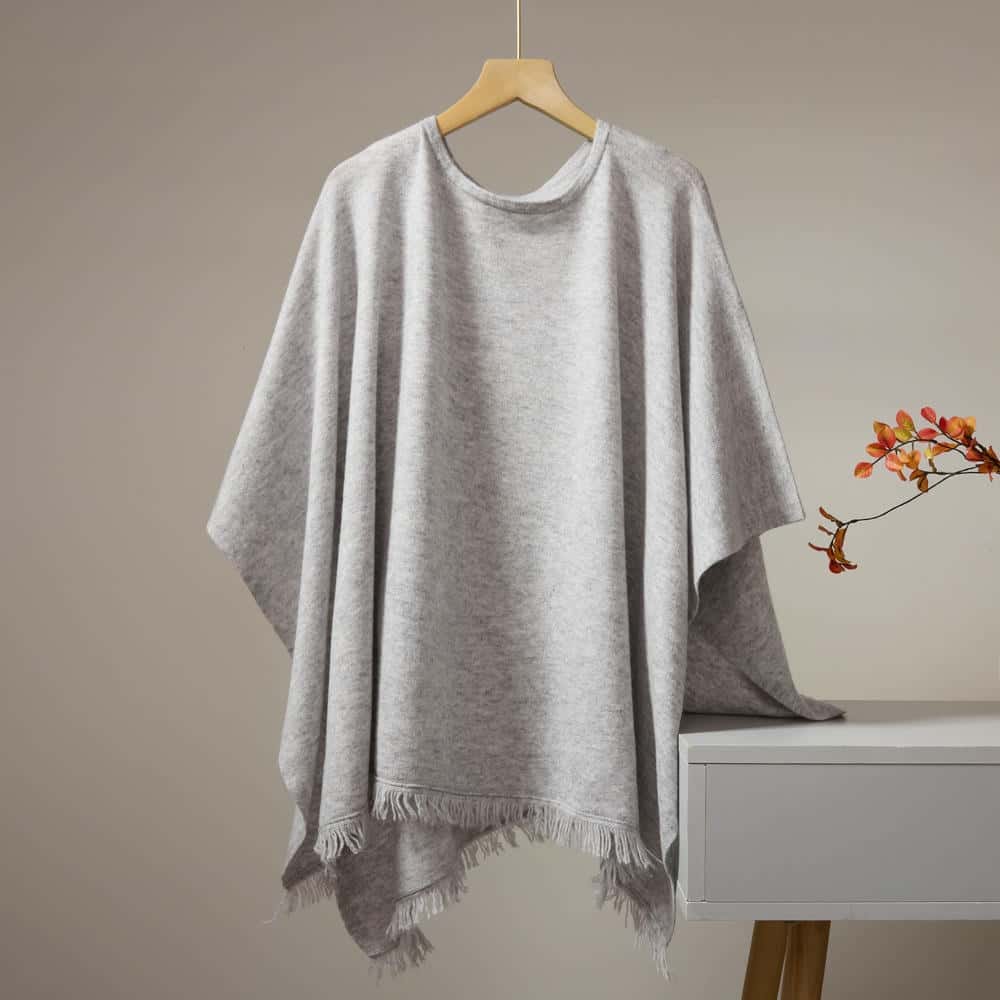
Understand the Unique Value of Different Cashmere from Raw Material Sources to Uses
Cashmere is a precious natural textile material, which can be divided into multiple types according to raw material sources, fineness, uses, etc. Each type of cashmere has its unique advantages and applicable scenarios.
The core categories of cashmere are mainly divided based on raw material sources and characteristics.
The most common one is cashmere goat down, which comes from the soft down on the abdomen of cashmere goats.
Its fineness is usually 14-16 microns, with a delicate and warm touch.
It is the mainstream raw material for cashmere products and is mostly used in high-end sweaters, scarves, etc.
The second is lamb cashmere, obtained from young cashmere goats within 6 months of birth.
It has a finer fineness (about 12-14 microns) and better fiber elasticity.
The clothes made from it are lighter and softer, but its output is scarce and the price is higher.
It is often found in high-end items of luxury brands.
There are also knitted cashmere and woven cashmere subdivided by use: knitted cashmere fibers are fluffier, suitable for hand or machine-woven sweaters and shawls;
woven cashmere fibers are arranged more tightly, mostly used in making cashmere coats and suit fabrics, with better stiffness.
In addition, some regions also produce cashmere with regional characteristics, such as cashmere from Inner Mongolia and Xinjiang.
Due to the special climate and environment, the fiber toughness and warmth retention are better, making them important sources of high-quality cashmere.