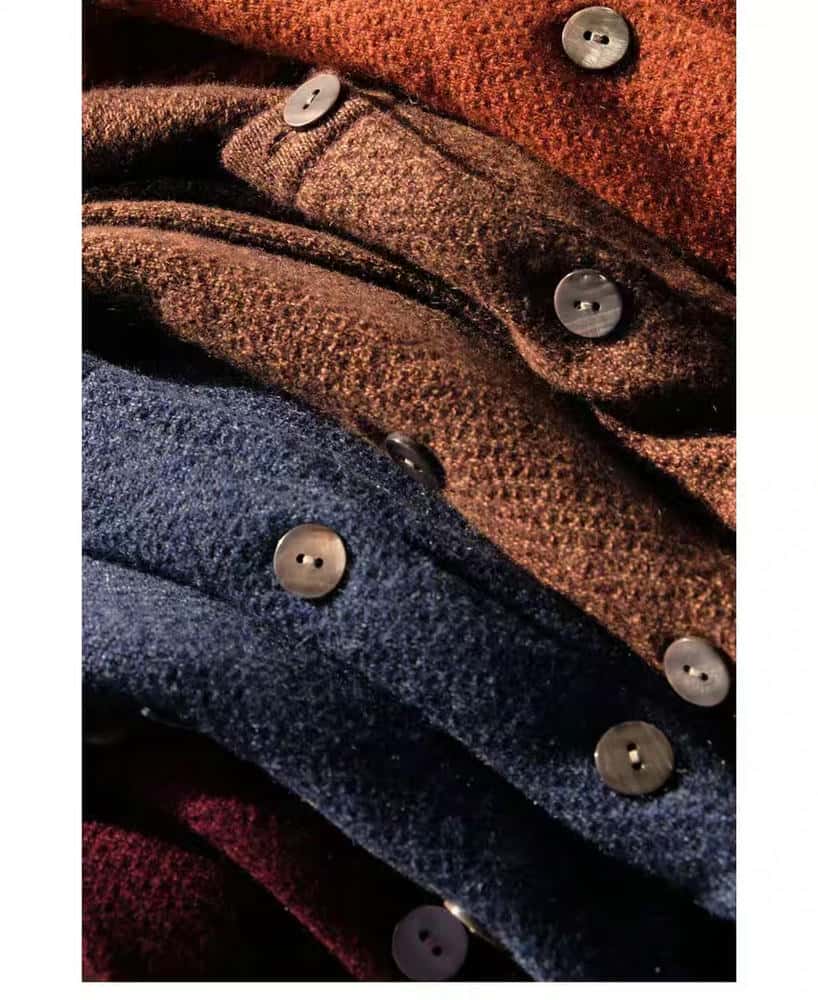
Cashmere is more than just a luxurious material; it’s a marvel of nature and craftsmanship. Originating from the soft undercoat of specific goat breeds, this fiber is celebrated for its exceptional warmth, lightweight feel, and unparalleled softness. Often referred to as “soft gold,” cashmere represents the pinnacle of textile luxury, combining centuries-old traditions with modern fashion. This guide dives deep into what makes cashmere so special, how to identify quality pieces, and why it remains a timeless investment for your wardrobe.
Table of Contents
- What Exactly Is Cashmere?
- Why Is It So Expensive? The Scarcity Factor
- Cashmere vs. Wool: Key Differences
- The Inner Mongolia Connection: A Global Hub
- How to Identify High-Quality Cashmere
- Caring for Your Investment
- Sustainability and Ethical Considerations
What Exactly Is Cashmere?
comes from the undercoat of goats (Capra hircus laniger). These goats develop a dense, soft down during cold winters to insulate themselves against harsh climates. In the spring, this undercoat is naturally shed and is typically collected through combing rather than shearing. The raw fiber is then meticulously cleaned and de-haired to separate the precious fine undercoat from the coarser outer guard hairs. The resulting material is what we know as pure.
The name itself has historical roots, derived from the Kashmir region, which was an early center for weaving shawls from this fine fiber. Today, the term is used globally to denote this specific high-end animal fiber.
Why Is It So Expensive? The Scarcity Factor
The high cost of is directly linked to its scarcity and labor-intensive production. A single goat produces only about 150 to 200 grams of usable fiber per year. To put that in perspective, it takes the annual yield of roughly four to six goats to produce just one standard sweater. This limited supply, combined with the extensive process of sorting, cleaning, and spinning by hand in many cases, contributes to its premium price tag. Unlike sheep’s wool, which can be produced in bulk, is a finite, niche resource.
Cashmere vs. Wool: Key Differences
While both provide warmth, and wool are distinctly different. The primary distinction lies in the fiber diameter and structure. fibers are significantly finer (typically 14-19 microns) compared to most sheep’s wool, which makes them softer and less likely to cause itching. Additionally, has superior insulating properties; it is estimated to be up to three times warmer than sheep’s wool for the same weight because its fibers can trap more air. This makes garments incredibly lightweight yet exceptionally warm.
The Inner Mongolia Connection: A Global Hub
As you are based in Hohhot, you are at the heart of one of the world’s most important cashmere production regions. Inner Mongolia produces a significant portion of the world’s high-quality raw cashmere, particularly the coveted white cashmere, which is easier to dye into vibrant colors. The region’s dry, cold climate is ideal for producing fibers that are long, fine, and strong. Hohhot has evolved into a major processing and manufacturing hub, home to renowned brands and artisans who transform this raw “soft gold” into finished luxury goods for global markets.
How to Identify High-Quality Cashmere
Not all cashmere is created equal. When shopping, look for these indicators of quality:
- Ply and Weight: Generally, 2-ply or 3-ply garments are more durable and less prone to pilling than single-ply items.
- Feel and Drape: High-quality cashmere should feel soft and smooth, not slippery or greasy. It should have a substantial, dense handfeel.
- Color Consistency: For dyed pieces, the color should be even and deep, without blotchiness.
- Label Verification: Look for labels that specify “100% Cashmere” and be wary of blends marketed as pure cashmere.
Caring for Your Investment
Proper care is crucial to maintaining the beauty and longevity of cashmere. Hand washing in cold water with a mild detergent is always the safest method. Avoid wringing or twisting the garment; instead, gently press out excess water and lay it flat on a towel to dry, reshaping it as needed. Never hang cashmere, as this can cause it to stretch out of shape. For storage, fold garments and place them in breathable cotton bags to protect them from moths.
Sustainability and Ethical Considerations
With growing awareness of animal welfare and environmental impact, the cashmere industry is evolving. Look for brands that prioritize sustainable grazing practices and ethical treatment of animals. Some manufacturers are now promoting “responsible cashmere” initiatives, which focus on protecting grassland ecosystems and ensuring fair wages for herders. As a consumer, choosing quality over quantity and investing in durable pieces that last for decades is one of the most sustainable choices you can make.
For more information on luxury fabrics and how to style them, explore our guide to building a timeless winter wardrobe.
To learn about the technical standards and grading of animal fibers, visit the International Wool Textile Organisation.