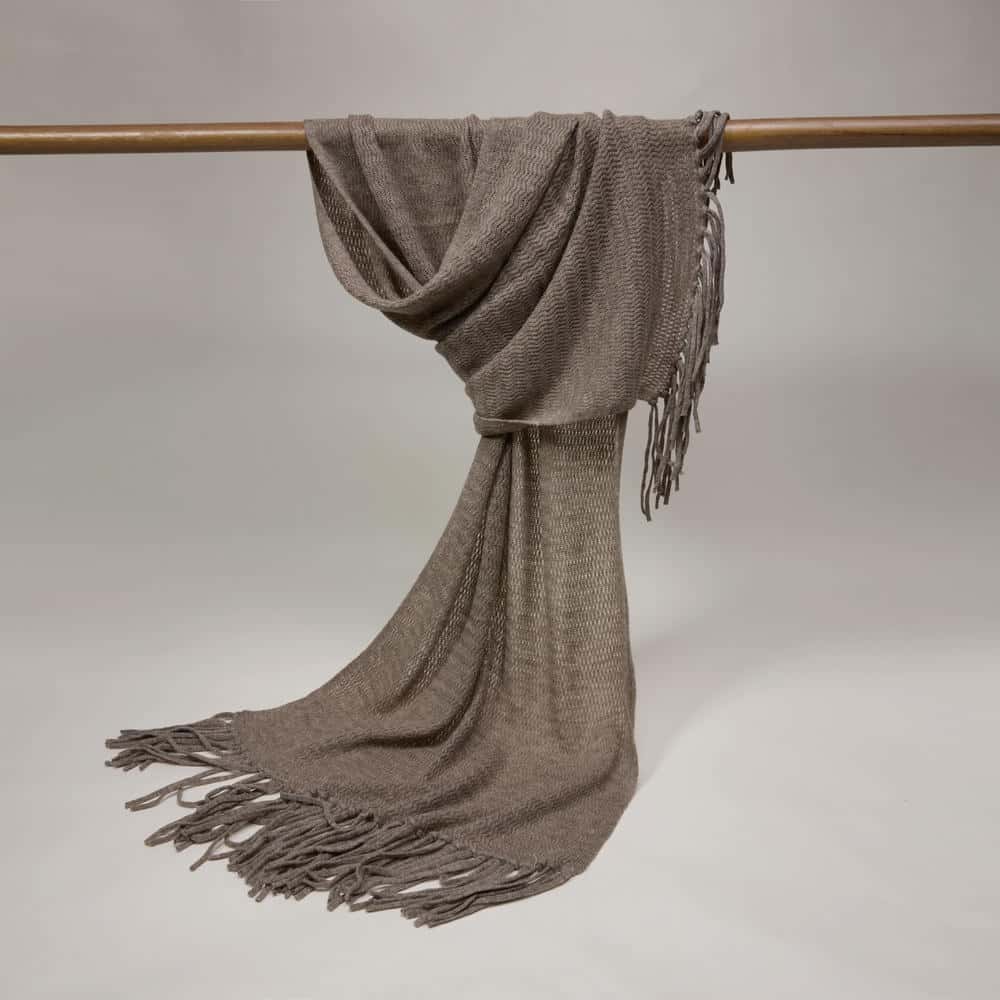
Cashmere begins its journey on windswept plateaus of Central Asia, where Capra hircus goats grow an impossibly fine undercoat to survive winter temperatures as low as -30°C. Unlike common sheep’s wool, this rare material is collected only once per year—by hand-combing, not shearing—making it both precious and naturally limited.
Why This Fiber Stands Alone
Under a microscope, true cashmere reveals a smooth, tapered structure with minimal surface scales. This unique architecture explains why garments feel silky against skin instead of itchy. Simultaneously, thousands of microscopic air pockets within each strand trap body heat exceptionally well. A lightweight sweater can be warmer than a much thicker lambswool alternative, which is why mountaineers and luxury shoppers alike seek it out.
The Harvesting Process
Each spring, as temperatures rise, herders in Mongolia and Inner Mongolia gently comb the loose underfleece from healthy goats. One animal produces only 100–200 grams of usable material per year—enough for roughly half a scarf. This scarcity, combined with labor-intensive sorting by hand, justifies the higher price tag. Unfortunately, not all products labeled as such contain pure material. Many blends mix in cheap acrylic or standard wool, so always check the label for “100%” and a third-party certification.
Ethical and Environmental Considerations
When demand for cashmere surged in the last decade, some grasslands suffered from overgrazing. However, responsible brands now partner with nomadic herders who rotate pastures and maintain herd limits. Look for certifications from the Sustainable Fibre Alliance or similar groups. Ethical sourcing also means fair wages for the women who dehair and sort the fibers—a detail most fast-fashion labels ignore.
Caring for Your Garment
This fiber is surprisingly durable if treated correctly. Always hand-wash in cool water using a mild, pH-neutral soap. Never wring or twist; instead, press water out gently between clean towels. Dry flat away from sunlight or heat sources. Hanging wet items will permanently stretch the shape. With proper care, a quality cashmere sweater can last 20+ years, developing a soft halo rather than pilling excessively. In fact, light pilling is normal and removable with a fabric comb—it does not indicate poor quality.
How to Spot Counterfeits
Genuine cashmere feels lighter than wool of the same thickness. Burn a loose thread (from a hidden seam): real material smells like burnt hair and forms a crushable ash, while synthetics smell like plastic and create hard beads. Also, authentic pieces rebound after gentle stretching; fakes stay misshapen.
Final Investment Advice
Buying this luxury fiber is a long-term decision. Start with a mid-weight sweater in a neutral color (cream, charcoal, or navy). Avoid ultra-cheap deals—if the price seems too good for 100% purity, it probably is. Store folded in a breathable cotton bag with cedar blocks to repel moths. Never hang it on a wire hanger.
By choosing well and caring properly, one quality garment replaces a dozen fast-fashion sweaters, reducing waste while keeping you warm for decades.
Internal link: Learn how to repair pilled wool garments here
External link: Sustainable Fibre Alliance – ethical cashmere standards