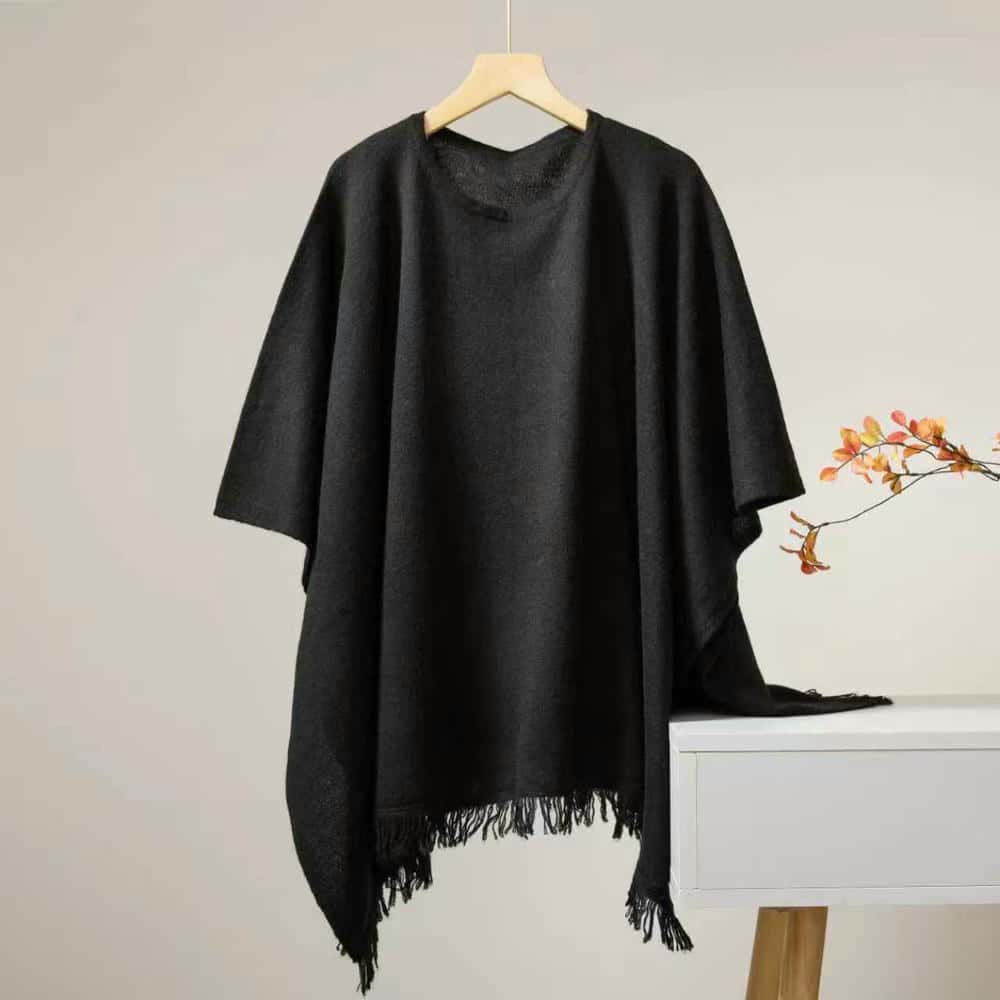
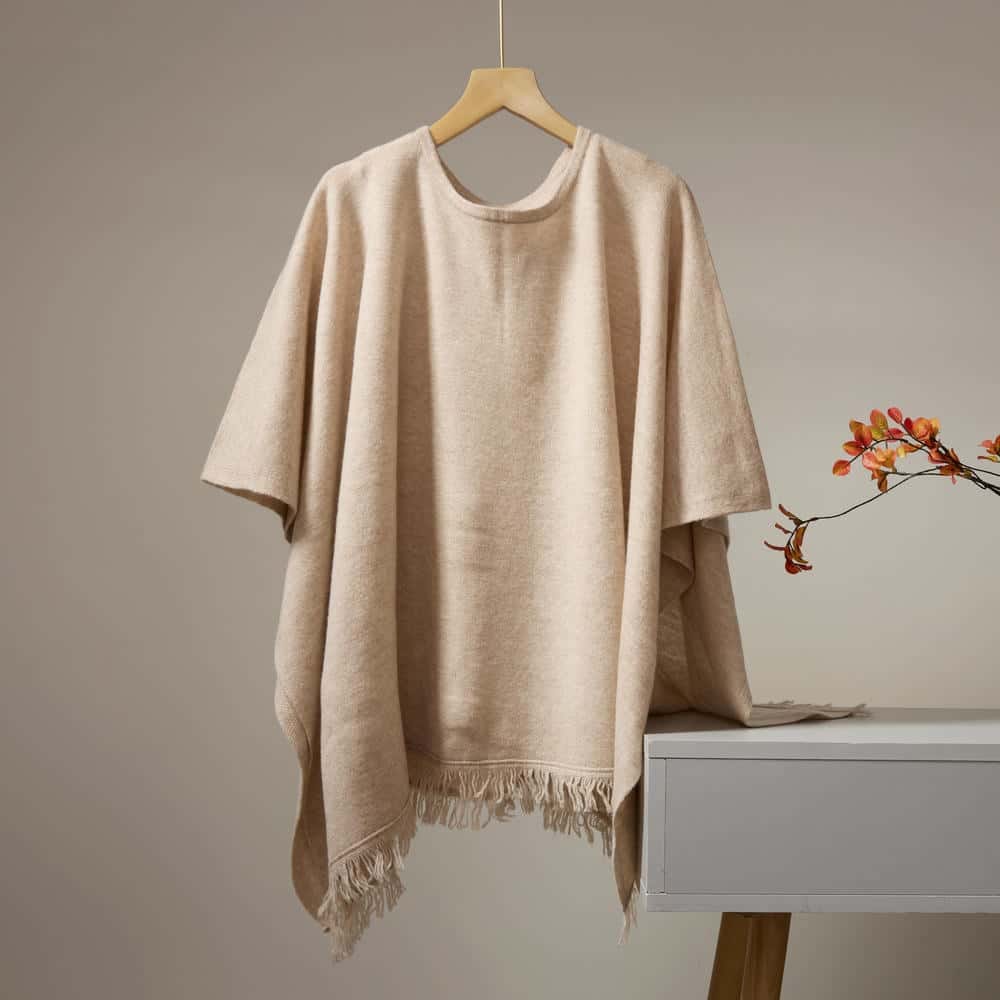
Cashmere, often hailed as the “diamond fiber” or “soft gold” of the textile world, represents the pinnacle of luxury, comfort, and timeless style. More than just a material, it’s an experience—a whisper-soft embrace that provides unparalleled warmth without weight. This guide delves into the fascinating journey of this exquisite fiber, from its origins on remote plateaus to becoming a cherished staple in wardrobes worldwide, all while exploring how to choose, care for, and invest in pieces that last a lifetime.
What Exactly is Cashmere?
Contrary to popular belief, isn’t wool from a specific breed of sheep. True comes from the soft, downy undercoat of the Cashmere goat (Capra hircus laniger). These goats have developed this incredibly fine undercoat as insulation to survive the harsh, freezing winters of high-altitude regions like Mongolia, Inner Mongolia, China, Iran, and Afghanistan.
During the spring molting season, the undercoat is gently combed out by herders—a sustainable practice that causes no harm to the animal. This raw is then painstakingly sorted to separate the precious, ultra-fine undercoat hairs from the coarser guard hairs. The rarity is staggering: it takes the annual yield of about four goats to produce enough fiber for one standard sweater, explaining its premium status.
The Hallmarks of Quality: Beyond the Softness
Not all is created equal. Quality is determined by several key factors:
- Fiber Diameter (Fineness): Measured in microns (µm), this is the most critical indicator. The finest, most luxurious cashmere is typically between 14-16 microns (human hair is about 75 microns). Lower micron count means a softer, silkier, and less prickly feel.
- Fiber Length (Staple): Longer fibers (typically 36mm and above) are more desirable. They spin into stronger, smoother yarns that are less prone to pilling and shedding, ensuring the garment maintains its shape and beauty for years.
- Ply: This refers to how many strands of yarn are twisted together. 2-ply (two strands twisted) is more durable and resilient than 1-ply, making it ideal for sweaters that will see regular wear. Higher ply counts often indicate a heavier, more substantial fabric.
Why Choose Cashmere? The Unbeatable Benefits
- Superior Insulation: Cashmere fibers are hollow, creating tiny air pockets that trap body heat with remarkable efficiency. It is estimated to be up to eight times warmer than sheep’s wool by weight, making it the perfect lightweight layer for cold weather.
- Featherlight Comfort: Despite its incredible warmth, a cashmere garment feels virtually weightless, offering exceptional comfort and freedom of movement.
- Moisture-Wicking and Breathable: It naturally wicks moisture away from the body and allows your skin to breathe, helping to regulate your temperature and keep you comfortable in a wider range of environments.
- Durability and Longevity: When made from high-quality, long-staple fibers and properly cared for, cashmere is surprisingly strong and durable. A well-made cashmere sweater can become a decades-long companion, developing a beautiful patina over time.
- Timeless Style and Versatility: From classic crewnecks and V-necks to elegant wraps and scarves, cashmere possesses an understated elegance that transcends seasonal trends. Its natural drape and rich colors lend sophistication to any outfit.
Caring for Your Investment: A Guide to Longevity
Proper care is essential to preserve the beauty and lifespan of your cashmere.
- Washing: Hand washing in cool water with a dedicated wool/cashmere wash is always preferred. Gently squeeze out suds—never wring or twist. For machine washing, use a front-loading machine on a delicate or wool cycle with a specialized detergent.
- Drying: Always lay the garment flat on a clean towel, reshape it to its original dimensions, and allow it to air dry away from direct heat or sunlight. Never hang cashmere, as it will stretch under its own weight.
- Storage: Fold pieces neatly and store them in breathable cotton bags with cedar blocks or lavender sachets to deter moths. Avoid plastic, which can trap moisture.
- Pilling: Minor pilling is normal, especially in areas of friction (like under the arms). Use a cashmere comb or fabric shaver gently to remove pills; this is a sign of the garment settling, not of poor quality.
The Sustainable and Ethical Dimension
Today’s conscious consumer looks beyond the product. Ethical cashmere production focuses on animal welfare, sustainable land management to prevent overgrazing and desertification, and fair working conditions for herders and artisans. Sustainable cashmere initiatives often support regenerative farming practices and traceable supply chains. Look for brands that are transparent about their sourcing and committed to environmental and social responsibility.
Conclusion: A Legacy of Luxury
Cashmere is more than a purchase; it’s an investment in enduring quality, comfort, and responsible luxury. By understanding its origins, recognizing markers of quality, and committing to proper care, you can enjoy the sublime feel and timeless style of cashmere for many seasons to come. It’s a testament to nature’s ingenuity and human craftsmanship—a truly special fiber that deserves its revered place in the world of textiles.
External Link: For an in-depth look at sustainable farming practices and the global cashmere industry, read the comprehensive report from the Sustainable Fibre Alliance.