Introduction
Cashmere is widely regarded as one of the most luxurious natural fibers in the world. Known for its softness, warmth, and lightweight feel, has become a symbol of premium quality in the fashion industry. As consumers shift toward high-quality and sustainable materials, understanding the value of cashmere is more important than ever.
What is Cashmere?
Derived from the fine undercoat of goats, fibers are carefully collected during the molting season. Unlike regular wool, cashmere fibers are thinner, softer, and provide superior insulation. This makes them ideal for producing high-end garments such as sweaters, scarves, and coats.
Benefits of Cashmere
There are several reasons why remains highly desirable:
- Exceptional softness: Gentle on the skin and comfortable for long wear
- Superior warmth: Provides excellent insulation without bulk
- Durability: High-quality cashmere can last for years with proper care
These features make it a worthwhile investment for those seeking both comfort and elegance.
Uses in Fashion
Designers and brands favor for its versatility and timeless appeal. It is commonly used in:
- Luxury knitwear collections
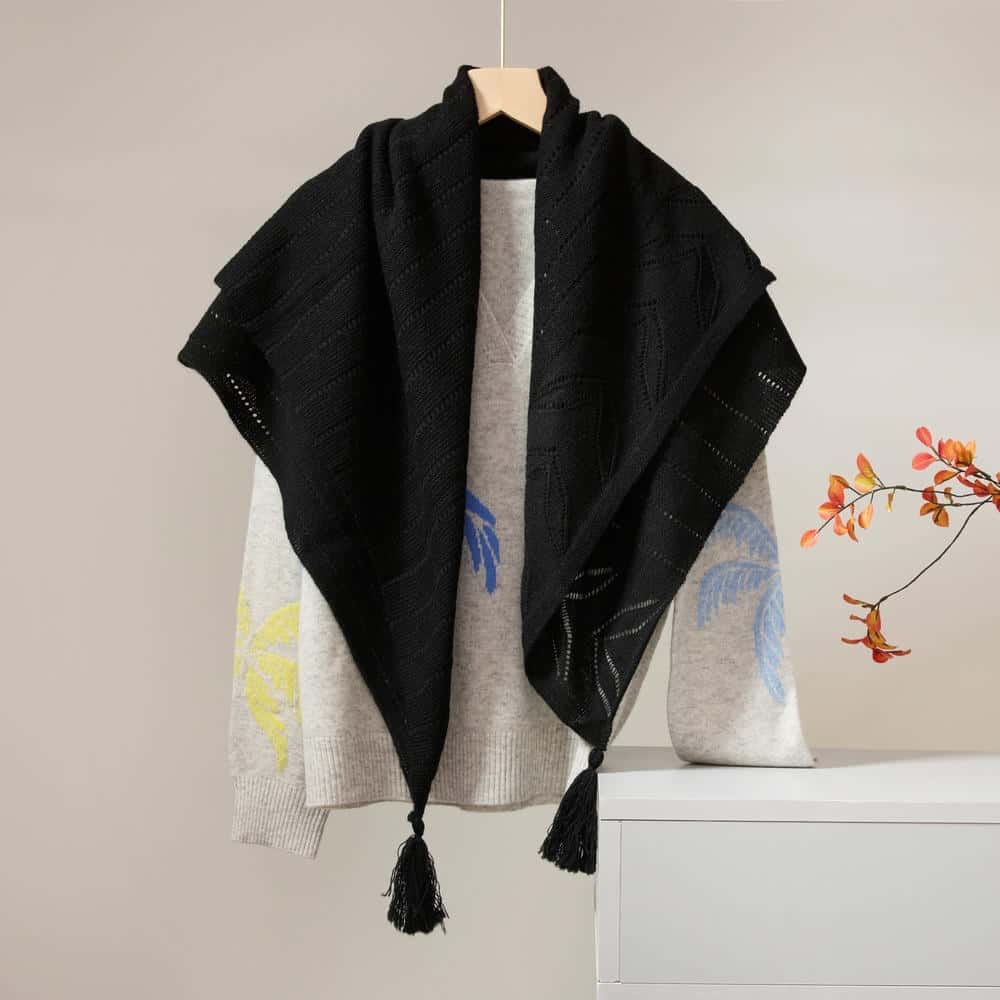
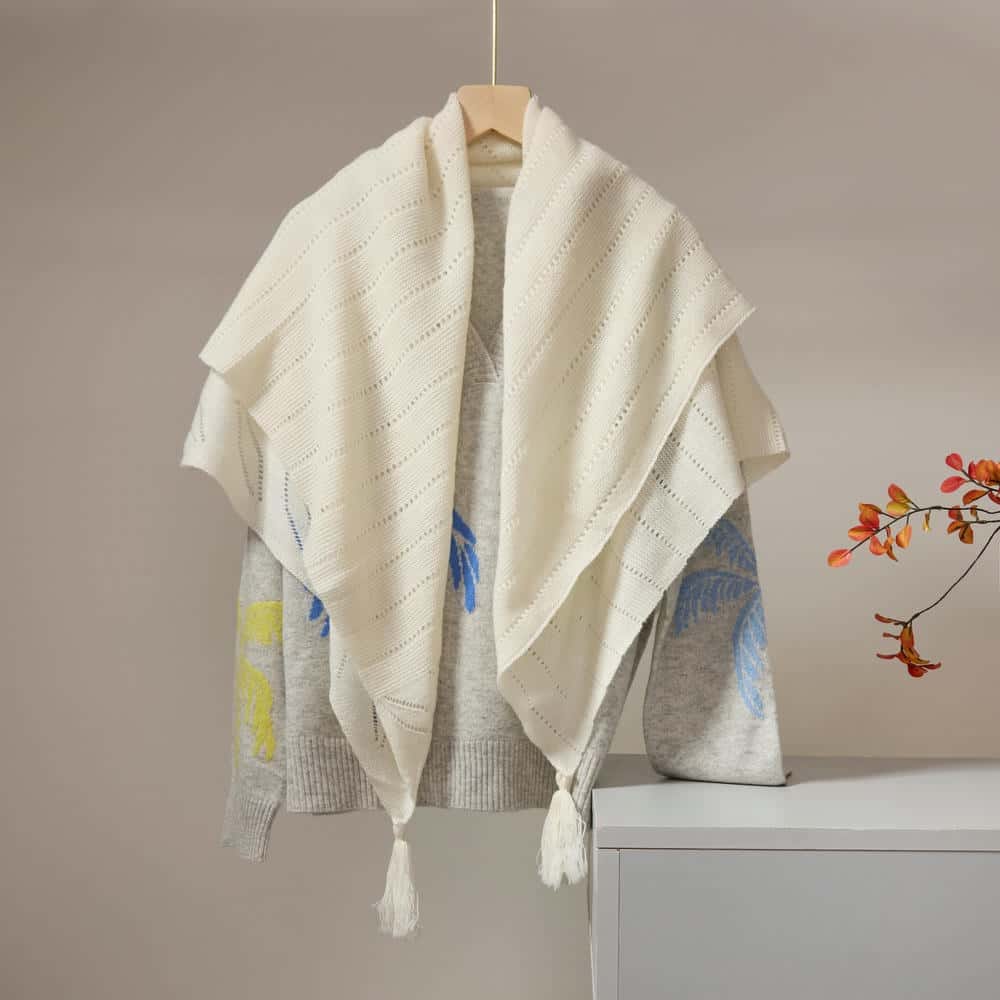
- Winter accessories like scarves and gloves
- Premium outerwear
Its natural texture and appearance elevate any wardrobe, making it suitable for both casual and formal occasions.
Sustainability and Care
With growing environmental awareness, responsibly sourced is gaining attention. Sustainable production focuses on:
- Ethical animal treatment
- Reducing environmental impact
- Supporting local herding communities
To extend the life of products, hand washing or gentle cleaning methods are recommended.
Conclusion
Cashmere continues to represent the perfect balance between luxury, functionality, and sustainability. Choosing high-quality pieces not only enhances personal style but also supports a more responsible fashion industry.
🔗 Internal Link
Explore more premium materials and products:
👉 https://www.ulanhana.com/
🌐 External Link
Learn more about sustainable textiles:
👉 https://www.textileexchange.org