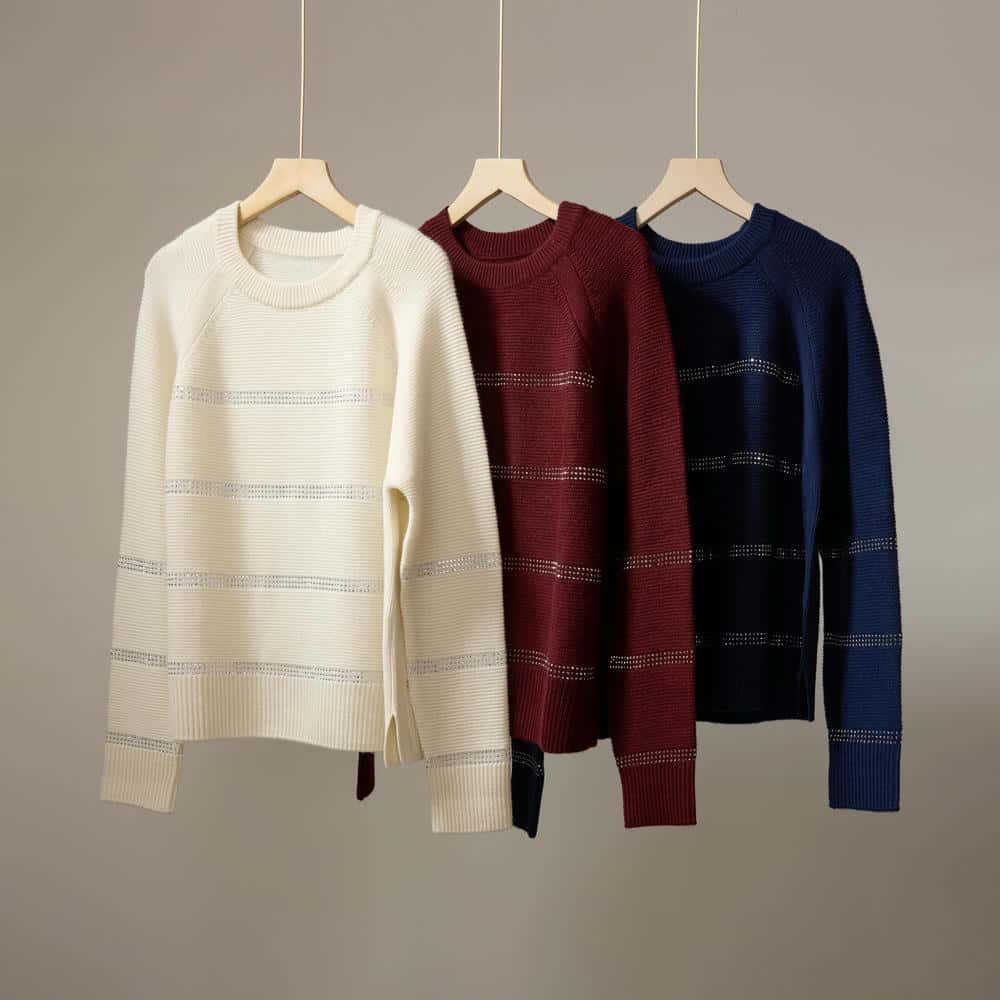
From Mountainous Herds to Timeless Wardrobes
There exists a fiber that has captivated the world of luxury textile for centuries—soft to the touch, remarkably warm, and inherently elegant. Harvested from the undercoats of goats thriving in harsh, high-altitude climates, this material balances unparalleled comfort with enduring style. Beyond its aesthetic appeal, it carries a legacy of traditional craftsmanship and, in recent years, has emerged as a symbol of sustainable luxury textile.
This article delves into the origins, production, and enduring allure of this exceptional material, along with insights into caring for pieces crafted from it.
The journey of this revered luxury textile begins in the world’s harshest high-altitude regions: the Himalayas spanning Mongolia, Tibet, and northern India, as well as the Gobi Desert. Here, Changthangi and Cashmere goats have evolved to survive temperatures plummeting to -40°C, growing a dense, ultra-fine undercoat that acts as a natural insulator. This undercoat is the source of the fiber—each strand measures a mere 12-19 microns, finer than a human hair,
which is what gives the material its signature softness. Unlike coarser fibers, it lacks the prickliness often associated with wool, making it a favorite for intimate and outerwear alike.
Harvesting this luxury textile is a labor of precision and respect. Traditionally, herders collect the undercoat during spring molting season, either by hand-combing the goats or gently shearing them—methods that ensure the animals are unharmed and only the highest-quality fibers are gathered. A single goat yields just 150-250 grams of usable fiber annually, the equivalent of roughly one sweater. This scarcity is a key driver of its luxury textile status. After harvesting,
the fibers undergo rigorous sorting to separate coarse strands from fine ones, followed by cleaning to remove dirt and lanolin. The spinning process is equally meticulous: artisans spin the fibers into yarn at low speeds to preserve their softness and integrity, ensuring the final material retains its warmth and drape.
Subtitle: The Luxury of Comfort and Timelessness
What elevates this luxury textile above other materials is its unique combination of warmth and lightness. It is up to eight times warmer than sheep’s wool, yet so lightweight that a full-length coat crafted from it feels barely there. This breathability also prevents overheating, making it versatile across seasons—ideal for cozy winter knits and lightweight spring scarves alike. Its natural drape lends elegance to any garment, whether it’s a tailored blazer, a chunky sweater, or a
delicate shawl. High-end fashion houses have long celebrated its qualities, featuring it in couture collections for its ability to blend sophistication with comfort.
Durability further cements its status as a luxury textile investment. Unlike fast fashion pieces that fade or pill after a few wears, well-cared-for items made from this textile can last for decades—even generations. The fibers’ natural resilience resists wear, and with proper care, they maintain their softness and shape.
This longevity aligns with the growing demand for sustainable fashion, as investing in timeless pieces reduces waste and promotes conscious consumption.
Subtitle: Sustainable Evolution of a Traditional Luxury
In recent years, the luxury textile industry has undergone a sustainable transformation, and this fiber has been at the forefront. Unlike synthetic materials that contribute to microplastic pollution, it is 100% biodegradable and renewable. Forward-thinking brands are partnering directly with herder communities to ensure ethical practices: fair compensation, animal welfare standards, and land stewardship. These partnerships not only protect the environment but also preserve
traditional herding cultures that have nurtured this craft for centuries. Consumers are increasingly drawn to these ethical brands, recognizing that the luxury textile of this textile now extends beyond its physical qualities to its social and environmental impact.
Caring for this luxury textile requires gentle attention to preserve its quality. Hand washing with mild, pH-neutral detergent and laying flat to dry prevents stretching and damage to the delicate fibers. Dry cleaning is a safe alternative for structured pieces like coats. Storing items in breathable cotton bags protects
them from moths and dust, ensuring they remain pristine for years. With this care, pieces crafted from this fiber become more than clothing—they become heirlooms.
For more insights into ethical luxury fashion, visit The Fashion Pact Official Site. To explore our curated collection of luxury textile pieces, visit our official website Premium Textile Collection Official Site.