Unveiling Luxurious Cashmere: From Himalayan Goats to High-End Fashion
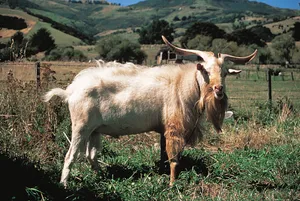
CLuxurious cashmere, often hailed as the “diamond fiber” of the textile world, stands as a pinnacle of luxury, warmth, and refinement. Sourced primarily from the undercoat of Cashmere goats—native to the harsh, high-altitude regions of the Himalayas, Mongolia, and China’s Inner Mongolia—this ultra-fine fiber has
captivated fashion connoisseurs and discerning consumers for centuries. Renowned for its exceptional softness, lightweight warmth, and natural luster, luxurious cashmere transcends seasonal trends to become a wardrobe staple that blends comfort with sophistication. This article explores the origins, unique properties, craftsmanship, fashion relevance, and sustainable practices of luxurious cashmere, revealing why it remains a symbol of timeless elegance in the fashion industry.
The rarity and quality of luxurious cashmere begin with its source: the delicate undercoat of Cashmere goats. These goats have evolved to grow a dense, insulating layer of fine fibers to withstand frigid temperatures that drop to -40°C (-40°F) in their native habitats. Each goat produces only 150-250 grams of usable luxurious cashmere per year—roughly enough to make just one sweater—making it one of the most scarce natural fibers globally. What sets luxurious cashmere apart is its
exceptional fineness: individual fibers measure between 12-19 microns (a micron is 1/1000 of a millimeter), far thinner than human hair (about 50 microns) and even finer than merino wool.. This fineness translates to unparalleled softness against the skin, while the fiber’s crimped structure traps air, creating a lightweight yet incredibly warm material that outperforms heavier fabrics like wool.
The journey from raw cashmere to a luxury garment is a labor-intensive process that demands precision and expertise. Harvesting typically occurs in spring, when goats naturally shed their undercoats—artisans either comb the fibers by hand or gently shear them, ensuring minimal stress to the animals. After harvesting, the
raw cashmere undergoes sorting, where fibers are separated by color (natural hues range from white and beige to deep brown) and fineness. Impurities like guard hairs (coarse, stiff fibers) are meticulously removed, as even a small percentage of guard hairs can compromise the fabric’s softness. This sorting stage is critical: only the finest fibers (under 16 microns) qualify for high-end cashmere products.
Next comes spinning and weaving, processes that require careful handling to preserve the fiber’s integrity. Cashmere fibers are delicate, so spinning is done at lower speeds to avoid breakage, resulting in a yarn that retains its softness and strength. Weavers then use techniques like plain weave (for lightweight scarves) or rib weave (for structured sweaters) to create fabrics that balance drape and durability. Many luxury brands also employ hand-finishing steps, such as washing the
fabric with natural detergents and gently stretching it to achieve the perfect fit—steps that elevate the final product and justify cashmere’s premium price tag.
Cashmere’s timeless appeal lies in its versatility across fashion and seasons. While it’s often associated with winter staples like sweaters, cardigans, and scarves, lightweight cashmere fabrics (like 12-gauge knits) are ideal for transitional weather, pairing seamlessly with blouses or dresses in spring and fall.
Its natural luster adds a touch of elegance to casual outfits, while neutral tones (ivory, gray, camel) make it easy to mix and match with existing wardrobes. High-end designers frequently feature cashmere in their collections: brands like Loro Piana and Brunello Cucinelli showcase cashmere coats and wraps that become heirloom pieces, while contemporary labels offer more accessible options like cashmere blend tees and accessories.
Caring for cashmere is essential to extend its lifespan—and contrary to popular belief, it’s more manageable than many assume. Hand washing with mild, pH-neutral detergent (avoiding harsh chemicals) and laying flat to dry preserves the fiber’s softness and shape. Dry cleaning is also an option for delicate pieces,
but frequent dry cleaning can strip the fabric of its natural oils. Storing cashmere in breathable cotton bags (not plastic) prevents moisture buildup and moth damage, ensuring the garment remains in pristine condition for years. With proper care, a high-quality cashmere sweater can last a decade or more, making it a sustainable investment compared to fast fashion pieces that wear out quickly.
Sustainability has become a key focus in the cashmere industry, as overgrazing by Cashmere goats (driven by rising demand) has led to soil erosion in fragile mountain ecosystems. Forward-thinking brands are addressing this by partnering with herder cooperatives to promote responsible grazing practices—such as
rotating pastures and limiting herd sizes—to protect biodiversity. Some brands also invest in traceability programs, allowing consumers to track their cashmere’s journey from herder to garment. Additionally, innovations like recycled cashmere (made from pre-consumer waste like yarn scraps) are gaining traction, reducing the industry’s environmental footprint while maintaining cashmere’s premium qualities.
To explore our curated collection of high-quality cashmere sweaters, scarves, and outerwear—crafted with ethical sourcing and artisanal craftsmanship—visit our official website:https://www.ulanhana.com/ . For in-depth insights into cashmere quality standards, sourcing practices, and industry
sustainability efforts, refer to the Sustainable Fiber Alliance (SFA) at https://www.sustainablefiberalliance.org —a leading organization working to advance responsible cashmere production.
Cashmere’s status as a luxury fiber is rooted not just in its softness and warmth, but in its rarity, craftsmanship, and timelessness. It bridges the gap between comfort and elegance, offering pieces that adapt to changing trends while retaining their inherent sophistication. As the industry evolves toward greater sustainability, cashmere remains a symbol of conscious luxury—an investment in quality, durability, and the artistry of traditional textile making. Whether draped
around your shoulders on a cool evening or worn as a everyday sweater, cashmere is more than a fabric—it’s a testament to the beauty of natural materials and skilled craftsmanship.