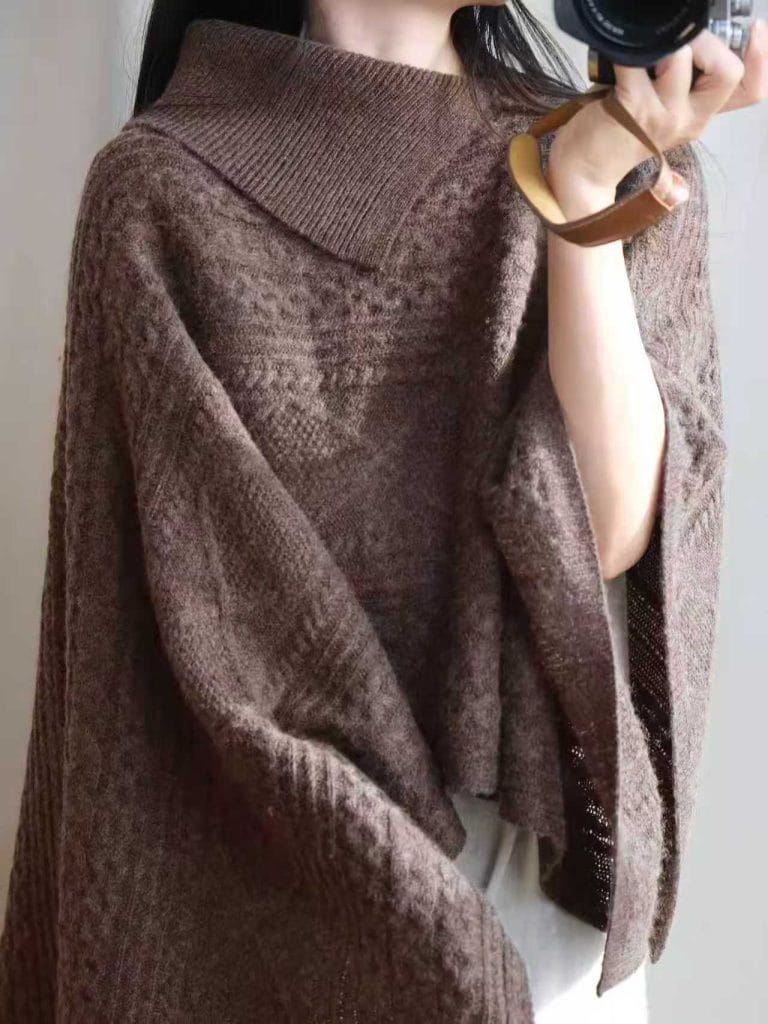
How Cashmere Comfort Elevates Wardrobes and Moods Every Winter
Intro
Cashmere Comfort starts in freezing plateaus.
Goats grow ultra-fine down for survival.
We spin it into clouds you can wear.
This article explains why nothing feels better.
Section 1 – Origins
Cashmere Comfort roams Mongolian steppes.
Herders comb goats each spring thaw.
One goat yields only 150 grams yearly.
Scarcity explains the higher price tag.
Section 2 – Fiber
Cashmere Comfort measures 14-19 microns.
It is six times finer than human hair.
Natural crimp traps warm air pockets.
Result: toasty warmth without bulk.
Section 3 – Grades
Cashmere Comfort splits into A, B, C.
Grade A reaches 36 mm length.
Longer fibers pill less and drape better.
Always check tight, even spins.
Section 4 – Colors
Cashmere Comfort arrives in naturals.
White, grey, brown skip extra dye.
Lighter shades feel softer on skin.
Darker hues hide winter grime.
Section 5 – Touch
Cashmere Comfort triggers oxytocin release.
Stroking it lowers cortisol levels.
Wearers report calm, hugged sensations.
Think of it as wearable therapy.
Section 6 – Warmth
Cashmere Comfort insulates eight times wool.
A 2-ply scarf blocks sub-zero winds.
Light layers prevent overheated offices.
Pack less, travel farther.
Section 7 – Breathability
Cashmere Comfort wicks vapor molecules.
Goats experience minus forty to plus thirty.
Same fiber keeps you dry on subways.
No clammy necks, no odor traps.
Section 8 – Durability
Cashmere Comfort lasts decades with care.
Hand-wash in cool water with baby shampoo.
Dry flat, reshape, avoid hangers.
Moths hate lavender sachets in drawers.
Section 9 – Pilling
Cashmere Comfort may pill initially.
Short surface fibers tangle in friction.
Use cashmere comb once per season.
Pilling stops after first three wears.
Section 10 – Sustainability
roams on fragile land.
Overgrazing turns grasslands into deserts.
Choose brands signed to Sustainable Fibre Alliance.
Responsible herders rotate pastures yearly.
Section 11 – Ethics
must respect goats.
Combing, not shearing, prevents cuts.
Fair-trade cooperatives pay herders premiums.
Traceable QR codes show farm videos.
Section 12 – Blends
mixes with silk for sheen.
Merino adds stretch for activewear.
Polyamide boosts sock durability.
Pure 100 % remains the softest option.
Section 13 – Pricing
reflects true costs.
Fifty goats create one average sweater.
Add transport, spinning, and hand linking.
Bargain basements often sell counterfeits.
Section 14 – Tests
burns like human hair.
Fake acrylic melts into hard beads.
Rub fabric on glass; real cashmere pills little.
Microscopic scales resemble fish scales.
Section 15 – Styles
wraps as turtlenecks.
Oversized crews pair with leggings.
Waterfall cardigans flatter every body.
Capes turn jeans into runway looks.
Section 16 – Colors
dyes like watercolor paper.
This year’s hues include sage and lilac.
Neutrals remain forever chic.
Buy bright scarves, keep sweaters neutral.
Section 17 – Gifting
fits memories to size.
Monogram initials inside cuffs.
Present in cedar boxes for drama.
Recipients remember you every cold morning.
Section 18 – Future
experiments with lab-grown cells.
Startups spin cruelty-free keratin fibers.
Prices may drop, softness stays.
Until then, treasure every genuine gram.
Outro
Cashmere Comfort is warmth, elegance, and care woven together.
Invest once, enjoy lifelong embraces.
External link: https://www.cashmereandcamelhair.org/sustainability
Internal link: https://www.ulanhana.com