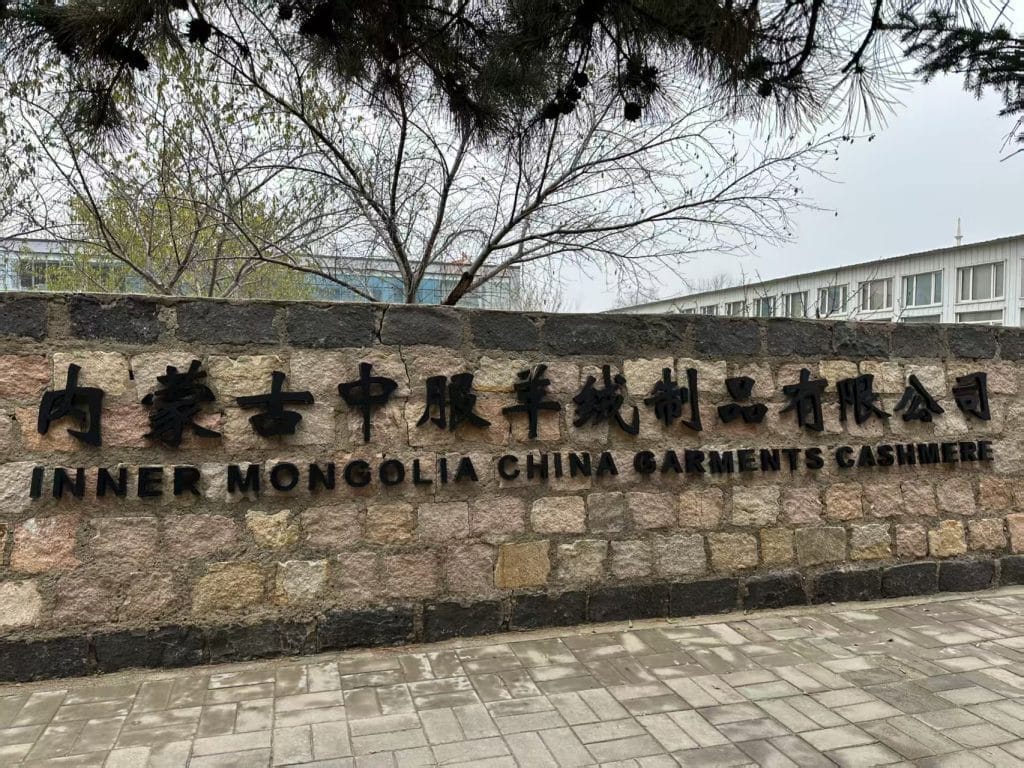
Cashmere has long been revered as one of the world’s most luxurious natural fibers, earning nicknames like “soft gold” and “fiber diamond.” This extraordinary material comes from the soft undercoat of cashmere goats and represents the pinnacle of comfort, warmth, and elegance in the textile world. But what makes cashmere so special, and why does it command such premium prices?
What Exactly is Cashmere?
Cashmere is a natural fiber obtained from the soft undercoat of cashmere goats, primarily found in the harsh climates of Mongolia, China, Iran, and Afghanistan. Unlike regular wool that comes from sheep, cashmere is harvested through a meticulous hand-combing process during the spring molting season when goats naturally shed their winter coats.
Each cashmere goat produces only 50-80 grams of usable fiber annually, making it incredibly scarce. To put this in perspective, while global wool production exceeds 1 million tons per year, cashmere production is limited to approximately 20,000 tons – representing just 0.2% of all animal fibers produced worldwide.
Understanding Quality Grades
Not all is created equal. The quality of cashmere is determined by several factors, with fiber diameter and length being the most critical. According to industry standards, cashmere is classified into three main grades:
Grade A
This represents the finest quality available, with fibers measuring approximately 14-15 microns in diameter and 34-36mm in length. Grade A offers the ultimate in softness, durability, and warmth. The fibers are so fine that they’re often compared to baby hair, creating garments that feel virtually weightless against the skin.
Grade B
While still considered high-quality, Grade B features slightly thicker fibers (around 18-19 microns) and may have variations in color and texture. This grade offers excellent value for money while maintaining many of the desirable properties of premium .
Grade C
This represents the lower end of the quality spectrum, with fibers measuring 19-30 microns. While still softer than many other fibers, Grade C lacks the luxurious feel and longevity of higher grades.
The Production Process: From Goat to Garment
The journey from raw fiber to finished garment involves approximately 150 distinct processes, each requiring specialized expertise and careful attention to detail. Here’s a step-by-step overview:
1. Harvesting
During spring molting season, herders carefully hand-comb the soft undercoat from goats. This gentle process ensures the fibers remain intact and the animals experience no harm.
2. Sorting and Cleaning
Raw is sorted by color and quality, then thoroughly cleaned to remove impurities such as dirt, grease, and coarse outer hairs.
3. Dehairing
Specialized machinery separates the fine fibers from coarser guard hairs, a process that can take several passes to achieve the desired purity.
4. Spinning
The cleaned fibers are spun into yarn using advanced techniques that preserve the natural properties of cashmere while creating strong, consistent threads.
5. Dyeing and Finishing
High-quality is dyed using eco-friendly processes that maintain fiber integrity while achieving rich, lasting colors.
6. Knitting or Weaving
The final yarn is transformed into luxurious garments using specialized knitting machines or traditional weaving techniques.
vs. Wool: A Detailed Comparison
Understanding the differences between cashmere and regular wool helps explain why commands premium prices:
Warmth and Insulation
provides up to eight times more warmth than regular wool despite being significantly lighter. The unique structure of cashmere fibers creates microscopic air pockets that trap heat efficiently while allowing the fabric to breathe naturally.
Softness and Comfort
With a fiber diameter of just 14-16 microns compared to wool’s 19-40 microns, feels incredibly soft against the skin. The scales on fibers are smoother and rounder than those on wool, eliminating the itchiness often associated with wool garments.
Weight and Drape
garments are remarkably lightweight, often feeling like a second skin. This superior drape quality makes ideal for elegant, flowing designs that move beautifully with the body.
Durability and Care
While wool generally offers greater durability, high-quality can last for decades with proper care. The key difference lies in maintenance requirements – requires gentler handling to preserve its luxurious properties.
Sustainability and Ethical Considerations
The industry faces significant sustainability challenges, leading to the development of more responsible production methods. Traditional cashmere production can contribute to overgrazing and soil degradation, particularly in Mongolia where much of the world’s supply originates.
Sustainable Practices
Modern ethical producers are implementing several initiatives:
- Rotational grazing systems that prevent overgrazing
- Hand-combing methods that ensure animal welfare
- Recycled programs that reduce demand for virgin fibers
- Direct partnerships with herders that ensure fair compensation
Certification Standards
Look for certifications such as:
- The Good Standard ensuring ethical practices
- Global Organic Textile Standard (GOTS) for organic production
- Sustainable Fibre Alliance certification
How to Care for Your Investment
Proper care is essential for maintaining the beauty and longevity of garments. Follow these expert recommendations:
Washing Guidelines
- Hand wash in lukewarm water (30°C) using specialized cashmere shampoo
- Turn garments inside out and gently squeeze – never rub or wring
- Rinse thoroughly in water of the same temperature
- Dry flat on a towel away from direct heat and sunlight
Storage Tips
- Clean thoroughly before seasonal storage
- Store folded, not hung, to maintain shape
- Use breathable storage bags to protect from moths
- Add cedar blocks or lavender sachets as natural moth deterrents
Maintenance
- Remove pills gently using a comb
- Allow garments to rest between wears
- Steam rather than iron to remove wrinkles
- Address stains immediately with gentle spot cleaning
Identifying Authentic
With the market flooded with blends and counterfeit products, knowing how to identify genuine cashmere is crucial:
The Touch Test
Authentic cashmere feels incredibly soft and gets even softer with wear. Run your hand across the fabric – it should feel smooth without any roughness or scratchiness.
The Ring Test
High-quality should pass easily through a wedding ring due to its fine fibers and lightweight construction.
Price Point Awareness
If the price seems too good to be true, it probably is. Genuine requires significant investment due to its scarcity and production costs.
Label Inspection
Look for detailed fiber content labels and reputable brand certifications. Be wary of vague terms like “cashmere feel” or “cashmere blend” without specific percentages.
Investment Value and Cost Considerations
While represents a significant initial investment, its cost-per-wear often makes it more economical than cheaper alternatives. A quality sweater costing $200-500, worn regularly for 5-10 years, provides exceptional value compared to replacing cheaper garments annually.
Factors Affecting Price
- Fiber quality: Grade A commands premium prices
- Origin: Mongolian cashmere typically costs more due to superior quality
- Production methods: Hand-combed and ethically sourced fibers increase costs
- Brand reputation: Established luxury brands often charge more for their expertise and quality assurance
The Future of
The cashmere industry continues evolving with innovations in sustainable production, recycling technologies, and quality enhancement. Emerging trends include:
- Recycled cashmere programs reducing environmental impact
- Blockchain tracking ensuring supply chain transparency
- Biotechnology applications improving fiber quality and sustainability
- Direct-to-consumer models offering better value by eliminating middlemen
Conclusion
represents the pinnacle of luxury fibers, offering unparalleled softness, warmth, and elegance. While it requires careful consideration of quality, sustainability, and care requirements, investing in premium cashmere provides years of comfort and style. As the industry moves toward more ethical and sustainable practices, consumers can enjoy this extraordinary fiber with greater confidence in their purchase decisions.
Whether you’re considering your first purchase or looking to expand your collection, understanding these fundamentals ensures you’ll make informed choices that provide lasting satisfaction and value.
External Resources:
- Cashmere vs Wool: A Complete Comparison Guide – Comprehensive analysis of cashmere and wool properties
- Sustainable Cashmere Production Practices – Learn about ethical cashmere sourcing
Internal Links:
- Explore our Premium Cashmere Collection featuring Grade A Mongolian cashmere