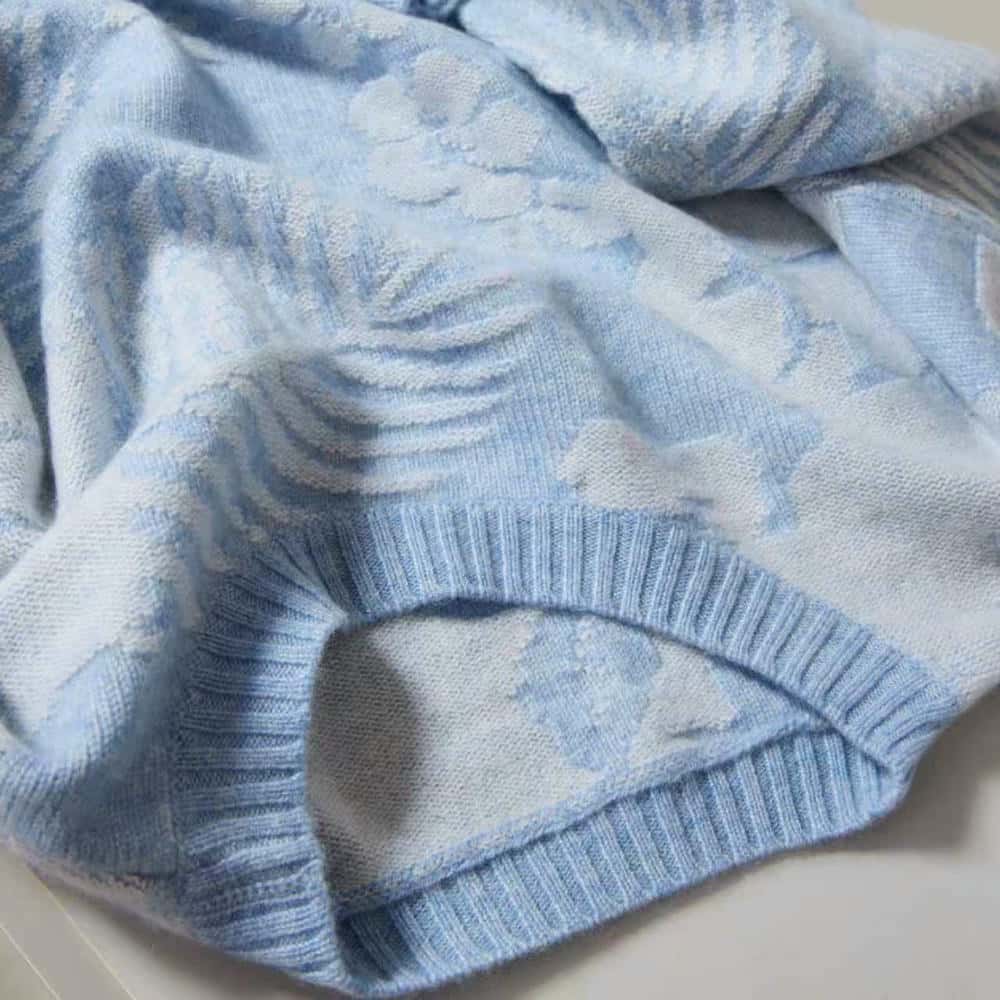
Cashmere, one of the softest and warmest natural fibers in the world, has long been a favorite in high-end fashion and home textiles. From the ancient Mongolian steppes to modern international fashion runways, cashmere is celebrated for its exceptional warmth, lightness, and luxurious texture.
What Is Cashmere?
Cashmere is derived from the soft undercoat of goats, particularly those living in cold, high-altitude regions. Compared to regular wool, cashmere fibers are finer and softer, typically measuring 14-19 microns in diameter. This fine texture gives cashmere garments a lightweight yet highly insulating quality.
Collecting cashmere is a meticulous process. Each goat produces only about 100-200 grams of cashmere per year, which contributes to its premium price. High-quality cashmere is not only soft to the touch but also elastic and breathable, making it ideal for scarves, sweaters, shawls, and blankets.
Advantages of Cashmere
- Ultimate Softness: Cashmere fibers are finer than regular wool, offering a smooth, luxurious feel against the skin.
- Warm Yet Lightweight: Cashmere provides excellent warmth even in freezing temperatures without feeling heavy.
- Durability: Properly cared-for cashmere can last for many years, and its texture becomes even softer over time.
- Eco-Friendly: As a renewable natural fiber, cashmere has a lower environmental impact compared to synthetic materials.
How to Choose Quality Cashmere
Selecting the right cashmere product requires attention to quality. Here are some tips:
- Fiber Fineness: The finer the fiber, the softer the cashmere. Premium cashmere typically has a diameter under 19 microns.
- Fiber Length: Longer fibers are more durable and less prone to pilling.
- Weight and Feel: Soft yet warm cashmere indicates superior quality.
- Source and Brand: Reputable brands provide transparency about raw material origins to ensure authenticity.
Caring for Cashmere
Although luxurious, cashmere requires proper care to maintain its longevity:
- Hand Wash or Dry Clean: Avoid machine washing, as high heat and agitation can damage fibers.
- Dry Flat: Lay cashmere flat to dry instead of hanging to prevent stretching.
- Storage: Use moth repellents and store in a dry environment to avoid mildew or insect damage.
Market Trends of Cashmere
With the rise of sustainable fashion, cashmere demand continues to grow. Consumers are increasingly valuing natural materials, product quality, and eco-conscious production. This has led brands to innovate with organic-dyed cashmere, chemical-free processing, and blended high-tech fibers.
International luxury brands like Loro Piana and Brunello Cucinelli have made cashmere a core material, catering to high-end markets. Domestic brands are also investing in craftsmanship and brand building, promoting diversified growth in the cashmere sector.
Conclusion
Cashmere is more than just a luxury fiber—it symbolizes comfort, elegance, and quality living. Whether in winter garments or home textiles, cashmere provides an unparalleled combination of warmth and softness. Choosing high-quality cashmere and proper care ensures that this luxurious material accompanies you for years.
Explore our premium cashmere collection today and experience the ultimate in comfort and luxury.