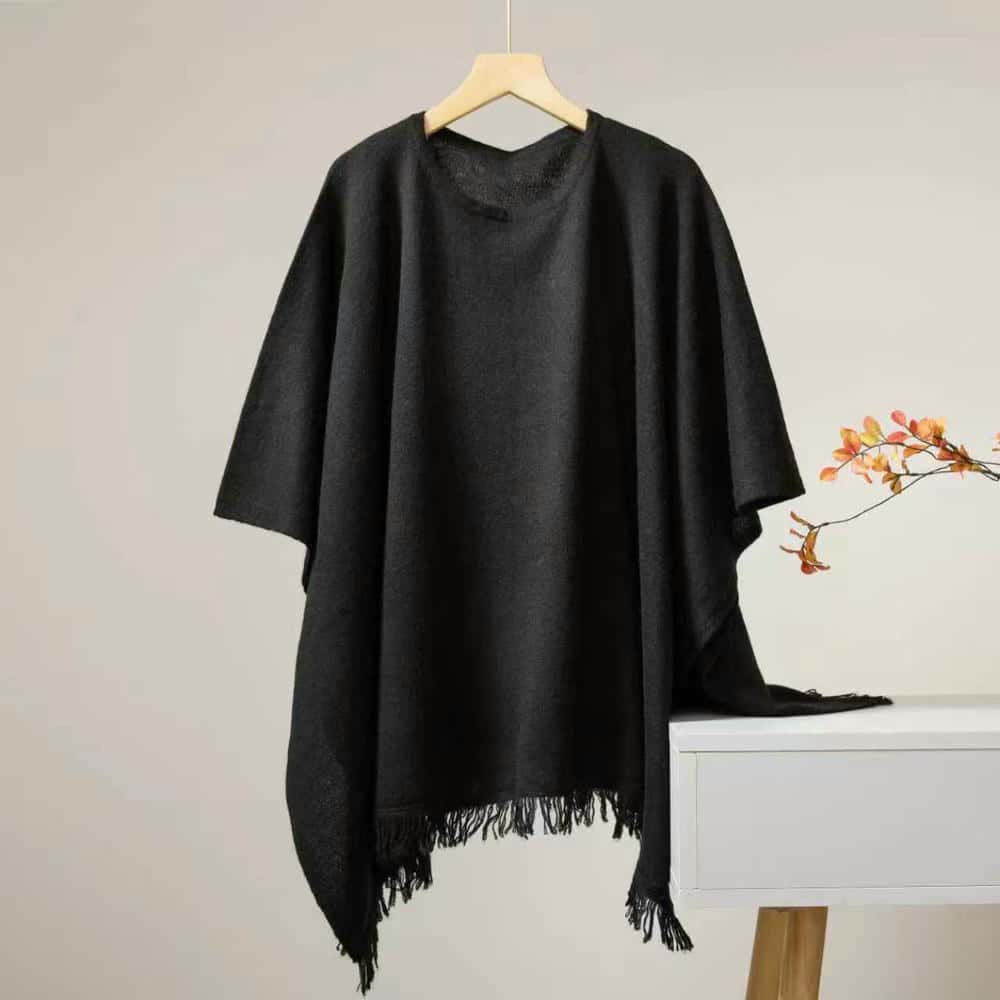
Cashmere: From Himalayan Goats to High-End Wardrobes
Introduction: Cashmere, often referred to as “soft gold,” is a premium textile fiber celebrated for its unparalleled softness, lightweight feel, and exceptional warmth. Sourced exclusively from the undercoat of cashmere goats—primarily native to the Himalayan regions of Mongolia, China, and Nepal—this fiber has been cherished for centuries, evolving from a practical insulator for nomadic communities to a symbol of luxury in modern fashion. What sets Cashmere apart is not
just its tactile appeal but also its rarity: each goat yields a mere 150-200 grams of usable fiber annually, making it one of the most sought-after materials in the textile industry. This article delves into Cashmere’s unique origins, key characteristics that distinguish it from wool, practical tips for selecting genuine , proper care techniques, and why it remains a timeless investment for discerning consumers.
The journey of Cashmere begins with its source: the goat. Unlike sheep that produce wool, e goats grow a dense, fine undercoat to survive the harsh Himalayan winters, where temperatures can drop to -40°C. This undercoat, composed of ultra-fine fibers, is naturally shed in spring, and skilled herders carefully comb it out to avoid harming the animals. The labor-intensive harvesting process, combined with the low yield per goat, is a primary reason for
Cashmere’s premium price tag. Regions like Mongolia’s Gobi Desert and China’s Inner Mongolia are renowned for producing the highest-quality Cashmere, thanks to the extreme climate that forces the goats to grow thicker, softer undercoats.
A common misconception is that Cashmere is just a “finer type of wool,” but the two fibers are fundamentally different. The key distinction lies in fiber diameter: Cashmere fibers range from 14-19 microns, while wool fibers are typically 25-30 microns. This fineness gives its signature softness, as finer fibers bend more easily
against the skin, eliminating the itchiness often associated with wool. Additionally, is significantly warmer pound-for-pound—up to eight times warmer than wool—while being much lighter, making it ideal for crafting lightweight sweaters, scarves, and coats that provide warmth without bulk. However, this delicacy means Cashmere requires more careful care than wool to maintain its quality over time.
Selecting genuine Cashmere can be a challenge, as the market is flooded with blends or imitations labeled as “cashmere.” To ensure authenticity, look for several key indicators. First, check the label: reputable products will specify the content—”100% Cashmere” means no other fibers are added, while “Cashmere blend”
indicates a mix with materials like wool or synthetic fibers. Second, examine the texture: genuine has a soft, silky feel with a subtle luster, while imitations often feel slippery or overly coarse. Third, consider the price: due to its rarity, a true sweater will rarely cost less than $150—anything cheaper is likely a blend or fake. For added assurance, look for certifications from organizations that verify ethical sourcing and fiber quality.
Proper care is essential to prolonging the life of garments. Contrary to popular belief, can be hand-washed (and in some cases, machine-washed) if done correctly. For hand-washing, use a mild, pH-neutral detergent and lukewarm water (never hot, as it can shrink the fibers). Gently squeeze the garment to clean it—avoid wringing or scrubbing, which can cause pilling or stretching. After washing, lay the garment flat on a clean towel to dry, reshaping it to
its original form. Avoid hanging , as the weight can stretch the fibers. For storage, fold items and place them in a breathable container with moth repellent, as the natural fibers are prone to moth damage. Pilling (small balls of fiber on the surface) is normal—use a comb to gently remove them without damaging the garment.
Beyond its luxury appeal, is also gaining recognition for its sustainability—when sourced ethically. Ethical Cashmere production ensures that goats are treated humanely, with no over-combing or harsh handling, and that herding practices do not degrade the fragile Himalayan ecosystem. Many brands now
prioritize transparent sourcing, partnering directly with herder communities to ensure fair wages and sustainable practices. This ethical dimension adds to Cashmere’s allure, as consumers increasingly seek luxury products that align with their values.
To explore our collection of ethically sourced, 100% genuine sweaters, scarves, and coats—each crafted to the highest quality standards—and access detailed care guides, visit our official website: https://www.ulanhana.com/. For authoritative information on Cashmere quality standards, ethical sourcing practices, and industry trends, refer to the International and Camel Hair Association at https://www.iccha.org (external link), a leading organization dedicated to promoting and protecting the integrity of products worldwide.