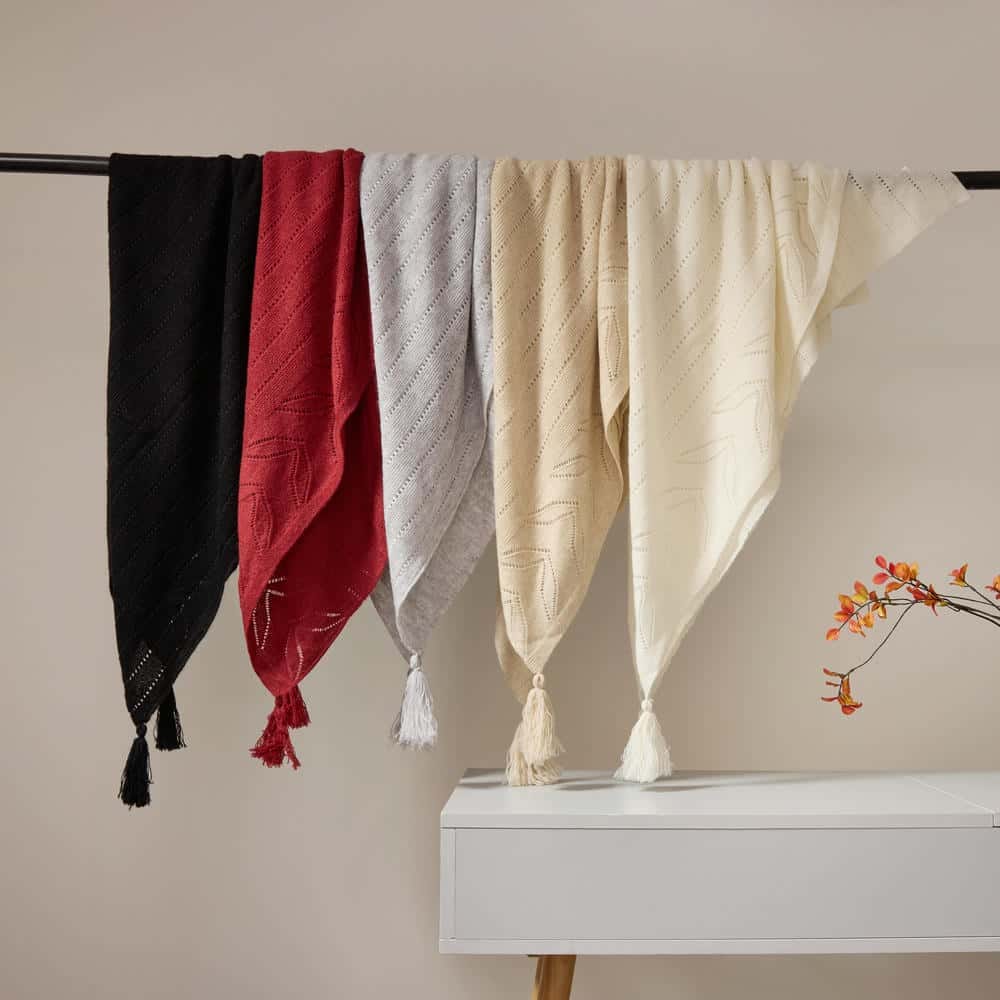
Cashmere: From Goat Fleece to Timeless Wardrobe Staples
Cashmere, often hailed as “soft gold” in the textile world, stands as a pinnacle of luxury and comfort. This exquisite fiber, harvested from the undercoat of goats, has captivated consumers for centuries with its unparalleled softness, lightweight feel, and exceptional warmth. Unlike ordinary wool, Cashmere’s rarity—each goat yields only dozens of grams annually—elevates it to a coveted material for high-end sweaters, coats, and accessories. Yet, its
allure also brings confusion: many shoppers struggle to distinguish genuine from imitations or conflate it with regular wool. This article explores Cashmere’s unique origins, key differences from wool, practical buying guides, care tips, and why it remains a timeless investment in any wardrobe.
The rarity of begins with its source and harvesting process. Critical to understanding is recognizing that it comes exclusively from goats, while wool is produced by sheep—a fundamental distinction often blurred by misleading marketing. grows as a fine undercoat beneath the goats’ coarser outer hair, serving as natural insulation against harsh winters. Harvesting is labor-intensive: skilled workers use specialized combs to gently collect the undercoat,
avoiding harm to the animals. On average, each goat produces just 150-200 grams of usable Cashmere per year, meaning five goats are typically needed to make a single standard sweater. This low yield, combined with the delicate harvesting process, is what gives its “soft gold” status and premium price tag.
Beyond rarity, Cashmere’s superior performance sets it apart from wool. Pound for pound, is up to eight times warmer than wool while being only one-fifth the weight, making it ideal for cold climates without the bulk of heavy woolen garments. Its exceptional softness stems from fiber diameter: Cashmere
fibers are typically 14-19 microns thick, far finer than wool’s 25-30 microns, resulting in a silky, smooth and supple feel against the skin. However, this delicacy comes with a trade-off: is less durable than wool and requires more careful care to maintain its quality over time.
Navigating the market requires vigilance to avoid counterfeits. One of the most common pitfalls is falling for terms like “sheep cashmere,” “modified cashmere,” or “improved cashmere”—these are entirely fabricated, as can only come from goats. Instead, rely on four proven methods to verify
authenticity. First, check the label: according to China’s FZ/T 73009—2021 standard for knitwear, genuine products must have a goat content of at least 30%, while “pure Cashmere” requires over 95%. Second, examine the color: authentic has a soft, natural luster, while synthetic imitations often have a harsh, overly bright sheen. Third, feel the texture: real is smooth, supple and fluffy, whereas fakes tend to be slippery but not soft, or elastic but lacking volume. Finally, consider the price—genuine is sold by weight, so a “budget” Cashmere sweater priced under $100 is almost certainly a fake.
Proper care is essential to prolonging the life of garments. Contrary to some myths, burning tests are ineffective for distinguishing from wool (both are protein fibers that smell like burning hair when ignited), but they can spot synthetic blends—residue with hard, non-crumbly particles indicates synthetic fiber content. For washing, hand washing or dry cleaning is recommended; if machine washing, use a gentle cycle designed for delicate fabrics.
Use neutral detergent and 30℃ water, wash inside out to protect the surface, and never wring—gently squeeze out excess water instead. Drying should be done flat to maintain shape, avoiding direct sunlight which can fade colors and weaken fibers. When storing, place Cashmere on the top shelf to avoid crushing, wrap white pieces in white cloth to prevent staining, and use moth repellents and desiccants to ward off pests and mildew. Avoid plastic bags, as they trap moisture.
The enduring appeal of Cashmere lies in its versatility and timelessness. A well-made Cashmere sweater or coat transcends fashion trends, transitioning seamlessly from casual to formal occasions.
Its natural breathability means it can be worn in transitional seasons too, layered under jackets or over dresses. While the initial investment is higher than for synthetic alternatives, genuine Cashmere can last for decades with proper care, making it a more sustainable choice in the long run—reducing the need for frequent replacements.
To explore our curated collection of genuine Cashmere sweaters, coats, and accessories—all certified to meet international quality standards—and access exclusive care tutorials, visit our official website: https://www.ulanhana.com/. For authoritative information on textile standards, including global regulations for Cashmere labeling and certification, refer to the International Wool Textile Organization at https://www.iwto.org , a trusted leader in textile industry governance.